Questions to ask your grandparents
Most people visit their grandparents with good intentions and leave with nothing but small talk. The conversation circles around health updates, weather, and wh…
· 19 min read · by Autobiographai
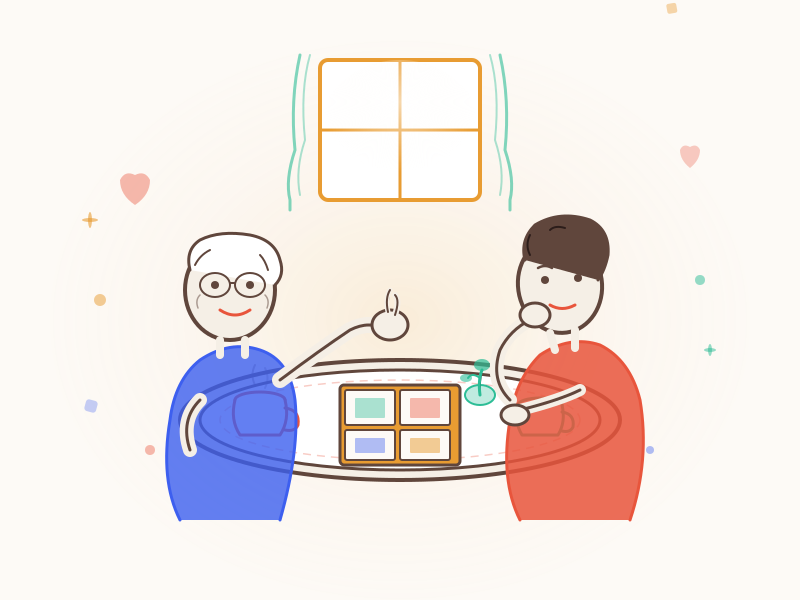
Most people visit their grandparents with good intentions and leave with nothing but small talk. The conversation circles around health updates, weather, and what everyone ate for lunch. Meanwhile, decades of stories sit untold, waiting for questions to ask your grandparents that actually unlock them. The difference between a forgettable visit and a conversation that changes how you understand your family comes down to the questions you bring. Grandparent interview questions that work don't ask for summaries or opinions. They ask for specific moments, concrete details, sensory memories. How do I interview my grandparents about their life? Not with a clipboard and formal distance, but with genuine curiosity and prompts that invite stories rather than answers. This article provides over 100 questions to ask grandparents about their life, organized by theme and depth, plus practical guidance on how to get grandparents to share stories they've never told anyone. Whether you're looking for conversation starters for grandparents at your next family gathering or preparing a more formal family history questions for grandparents session, these prompts will help you move past surface-level exchanges into the memories that actually matter.
Why most grandparent conversations stay on the surface
The 'how are you' trap that kills deeper conversation
"How are you doing?" seems like a caring question. It isn't. It's a conversation killer disguised as warmth. Your grandmother answers "fine" or "can't complain," and suddenly you're both stuck in the shallow end of small talk with no obvious path forward. The same applies to "what's new?" (nothing, at their age, feels new enough to mention) and "how's your health?" (a question that invites complaint rather than story).
These questions fail because they ask for status updates rather than memories. They position your grandparent as a patient to be checked on rather than a person with seventy or eighty years of untold experiences. The conversation stays polite, stays brief, stays empty.
What grandparents actually want to share but rarely get asked
Most grandparents carry stories they've never told anyone. Not because the stories are secret, but because no one ever asked the right question. They remember the name of their first-grade teacher, the smell of their mother's kitchen on Friday evenings, the exact moment they realized they were in love. They remember mistakes they made and lessons they learned the hard way. They remember historical events not as dates in textbooks but as lived experiences that interrupted their ordinary lives.
These memories don't emerge in response to "how are you doing?" They need specific prompts, unexpected angles, questions that signal genuine interest in the details rather than polite curiosity about the general shape of their life.
The difference between polite questions and story-opening questions
Polite questions ask for summaries. Story-opening questions ask for scenes.
| Polite question (summary) | Story-opening question (scene) |
|---|---|
| What was school like? | Tell me about a time you got in trouble at school. |
| Did you like your job? | What was your worst day at work? |
| How did you meet grandpa? | What were you wearing the first time you saw him? |
| What was the Depression like? | What did your family eat for dinner during the Depression? |
| Were your parents strict? | What happened when you broke a rule? |
The shift matters because memory works through specificity. General questions retrieve general impressions. Specific questions trigger actual memories, complete with sensory details, emotions, and the small surprises that make stories come alive.
Questions about their childhood and early years
Their home, neighborhood, and daily routines
- What did your childhood home look like? Describe your bedroom.
- What sounds did you hear when you woke up in the morning?
- What was your neighborhood like? Who were the neighbors you remember most?
- What did your family eat for breakfast on a typical day?
- Where did you play? What games did you play outside?
- What chores were you responsible for? Which one did you hate most?
- Did your family have a car? What do you remember about traveling anywhere?
- What did your street smell like in summer?
- Where did your family buy groceries? Do you remember going to the store?
- What was bath time like? How often did you bathe?
School days, friendships, and childhood mischief
- What was the name of your first-grade teacher? What do you remember about her?
- How did you get to school? How long did it take?
- What did you bring for lunch? Did you trade food with other kids?
- Who was your best friend? What did you do together?
- Tell me about a time you got in trouble at school. What happened?
- What subject did you hate? What subject did you love?
- Did you ever skip school? What did you do instead?
- What games did you play at recess?
- Were you ever bullied? Did you ever bully someone else?
- What was the most embarrassing thing that happened to you at school?
Family dynamics and the adults who shaped them
- What was your mother like when she was young? What do you remember about her hands, her voice, her habits?
- What was your father's job? Did you ever visit him at work?
- Who disciplined you? What happened when you misbehaved?
- Did you have siblings? What was your relationship like with them?
- Which adult outside your parents influenced you most? A grandparent, aunt, uncle, teacher?
- What did your parents argue about?
- Who made you feel safest as a child?
- Were there family secrets you only learned about later?
- What did your parents sacrifice for you that you only understood as an adult?
Holidays, traditions, and the food they remember
- What was Christmas (or your family's main holiday) like? Walk me through the whole day.
- What foods did your mother or grandmother make that you've never tasted anywhere else?
- What birthday do you remember most vividly? What happened?
- Did your family have any traditions that seemed normal then but seem unusual now?
- What was the best gift you ever received as a child?
- What food did you hate as a child that you learned to love later?
For even more detailed prompts about early years, see questions specifically about their childhood.
Questions about their teenage years and coming of age
First jobs, first responsibilities, first freedoms
- What was your first job? How old were you? How much did you earn?
- What did you spend your first paycheck on?
- When did you start feeling like an adult rather than a child?
- What responsibilities did you have at home as a teenager?
- What was the first big decision you made without asking your parents?
- Did you ever get fired from a job? What happened?
- What was the hardest physical work you ever did as a young person?
Romance, dating, and how they met your grandparent
- What was your first crush like? Did they know?
- How did dating work when you were young? What were the rules?
- Tell me about your first kiss. Where were you? What happened?
- How did you meet grandma/grandpa? What were you wearing? What was your first impression?
- What did you do on your first date together?
- When did you know this was the person you wanted to marry?
- Did your parents approve? What happened when you told them?
- What almost went wrong before you got married?
These stories often get told poorly or not at all. For a deeper guide on capturing this specific narrative, see how my grandparents met questions.
Dreams they had for their future
- When you were sixteen, what did you imagine your life would look like at forty?
- What career did you dream of? What happened to that dream?
- Where did you think you would live?
- Did you ever want to leave your hometown? Why did you stay or go?
- What did your parents want for your future? Did you follow their wishes?
The world events that marked their youth
- What historical event do you remember most vividly from your teenage years?
- Where were you when [major historical event] happened? What do you remember about that day?
- How did the war (or economic crisis, or social movement) affect your daily life?
- What technology appeared during your youth that changed everything?
- What social rules existed then that would seem strange or wrong today?
If your grandparents lived through wartime, questions about their wartime experiences provides specialized prompts for those sensitive but crucial memories.
Questions about work, marriage, and raising a family
Career paths, jobs held, and lessons learned
- How many different jobs did you have over your lifetime? Which was your favorite?
- What was your typical workday like in your twenties? Your forties?
- Who was the best boss you ever had? What made them good?
- Who was the worst? What did you learn from them?
- What skill did you develop at work that surprised you?
- Did you ever feel stuck in a job? What did you do about it?
- What work accomplishment are you proudest of?
- What career advice would you give your younger self?
The early years of marriage and building a home
- What was your first apartment or home together like? Describe it room by room.
- What did you argue about in your first year of marriage?
- How did you divide household responsibilities?
- What surprised you most about being married?
- When did your marriage feel hardest? How did you get through it?
- What's the best decision you and grandma/grandpa made together?
- What do you wish you'd known about marriage before you got married?
Raising children in a different era
- What was the birth of your first child like? Where were you? What do you remember?
- What was the hardest part of being a new parent?
- What parenting advice did people give you that you ignored?
- What parenting mistake do you regret most?
- How did you discipline your children? Would you do it differently now?
- What moment with your children do you wish you could relive?
- What did you worry about for your children that turned out fine?
- What did you not worry about that you should have?
Financial struggles and how they managed
- What was the tightest financial period of your life? How did you manage?
- What was the biggest financial mistake you made?
- What did you go without so your children could have something?
- When did you feel financially secure for the first time?
- What do you wish you'd known about money when you were young?
Questions about beliefs, values, and life philosophy
Faith, spirituality, and how it evolved
- What role did religion play in your childhood home?
- How have your spiritual beliefs changed over your lifetime?
- Was there a moment when your faith was tested? What happened?
- What do you believe happens after we die?
- What religious or spiritual practice has meant the most to you?
Political views and how the world has changed
- How have your political views changed since you were young?
- What social change in your lifetime has surprised you most?
- What change do you think has been for the better? For the worse?
- What do you think young people today don't understand about the past?
- What do you think your generation got wrong?
Regrets, turning points, and roads not taken
- What's the biggest risk you ever took? Did it pay off?
- What decision in your life would you make differently if you could?
- What opportunity did you miss that you still think about?
- What was the hardest choice you ever had to make?
- What moment changed the direction of your life?
What they want the next generations to know
- What do you want your grandchildren to remember about you?
- What life lesson took you the longest to learn?
- What do you know now that you wish you'd known at thirty?
- What family tradition do you hope continues after you're gone?
- What would you tell your younger self if you could?
These deeper questions require trust. Don't open with them. Save them for a moment when the conversation has already warmed up, when your grandparent feels heard and unhurried.
Questions about family history and ancestors
Stories about their own parents and grandparents
- What do you remember about your grandparents? What did they look like? Sound like?
- What stories did your parents tell about their own childhood?
- What do you know about your great-grandparents? Where did they come from?
- What family stories were passed down to you that you've passed down to others?
- Who in the family tree do you wish you'd met?
Family secrets, mysteries, and unresolved questions
- Are there any family mysteries you've never solved?
- What family secret did you learn about only as an adult?
- Is there anyone in the family people didn't talk about? Why?
- What questions do you wish you'd asked your own parents or grandparents?
Immigration stories, moves, and major transitions
- Did anyone in your family immigrate? What do you know about their journey?
- What did your family leave behind? What did they bring with them?
- How many times did your family move? What prompted each move?
- What language did your grandparents speak at home?
Family heirlooms and the stories behind objects
- What object in this house has been in the family the longest?
- What happened to your grandmother's wedding ring? Your grandfather's watch?
- Is there a family recipe that's been passed down? Where did it come from?
- What photograph in the family album would you save if there was a fire?
For a comprehensive guide to these genealogical conversations, see questions about family history to ask grandparents.
How to actually use these questions
Choosing the right moment and setting
Timing matters more than the questions themselves. A grandparent who feels rushed, interrupted, or put on the spot will give short answers and change the subject. The best conversations happen when:
- There's no competing activity (television off, no one else demanding attention)
- The setting is comfortable and familiar
- There's no hard end time creating pressure
- The grandparent is rested and in good spirits
Kitchen tables work better than formal living rooms. Morning often works better than evening. A cup of tea or coffee creates a natural pause for reflection.
Starting with easy questions before going deep
Don't open with "what do you regret?" Start with concrete, sensory, low-stakes questions: "What did your bedroom look like when you were ten?" "What did your mother cook on Sundays?" These questions warm up memory without demanding emotional vulnerability.
Once the conversation flows, once your grandparent is enjoying the act of remembering, you can gradually move toward deeper territory. The trust builds through the easy questions.
Recording conversations without making it awkward
Recording matters. Memory is unreliable, and the details your grandparent shares today will fade from your own recollection within weeks. But a visible recorder can make people self-conscious.
Options that work:
- A phone placed casually on the table, recording app running
- Mentioning at the start: "I'd love to record this so I don't forget anything, is that okay?"
- For reluctant grandparents: taking notes by hand during the conversation, then writing up the full story immediately after
For detailed guidance on audio recording, see recording your grandparents' voice.
Following up on answers that hint at bigger stories
The best questions often aren't on any list. They emerge from listening carefully to what your grandparent says and noticing the hints of larger stories.
When your grandmother mentions "that terrible winter," ask: "What made it terrible? What happened?" When your grandfather says "we managed," ask: "How? What did you do?" When anyone says "that was a different time," ask: "Different how? What would surprise me?"
These follow-up questions often unlock the richest material. They signal that you're genuinely listening, that you want the details, that the story matters to you.
For a complete framework on conducting these conversations, see how to interview an elderly person effectively.

Printable question lists organized by theme
Quick-start list: 10 questions for your first real conversation
These questions are non-threatening, concrete, and tend to unlock vivid memories:
- What did your childhood home look like? Describe your bedroom.
- What sounds did you hear when you woke up in the morning as a child?
- Who was your best friend growing up? What did you do together?
- What was your first job? How much did you earn?
- How did you meet grandma/grandpa? What was your first impression?
- What did your family eat for Sunday dinner?
- What was your favorite thing to do as a teenager?
- What was your wedding day like? What do you remember most?
- What was I like as a baby? What do you remember about when I was born?
- What's the funniest thing that ever happened in our family?
Deep dive list: 25 questions for when they're ready to share
Once rapport is established, these questions reach further:
- Tell me about a time you got in serious trouble as a kid.
- What was the hardest period of your marriage? How did you get through it?
- What parenting decision do you regret?
- What moment changed the direction of your life?
- What did you dream of becoming when you were young?
- What opportunity did you miss that you still think about?
- What was your worst day at work?
- When did you feel most afraid?
- What did you sacrifice for your children that they never knew about?
- What family secret did you learn about only as an adult?
- What did your parents argue about?
- When did your faith get tested?
- What's the biggest risk you ever took?
- What historical event affected your daily life most directly?
- What were you most wrong about when you were young?
- What do you wish you'd done differently with money?
- What almost went wrong before you got married?
- What did you go without during hard times?
- Who was the most difficult person in your family?
- What moment with your children do you wish you could relive?
- What question do you wish someone would ask you?
- What story have you never told anyone?
- What do you know now that you wish you'd known at thirty?
- What do you want your grandchildren to remember about you?
- What would you tell your younger self?
Legacy list: 15 questions about values and wisdom
These questions capture what matters most, suitable for meaningful moments:
- What life lesson took you the longest to learn?
- What do you believe happens after we die?
- What tradition do you hope continues in our family?
- What do you think your generation got right? Got wrong?
- What matters most to you now that didn't matter when you were young?
- What advice would you give about marriage?
- What advice would you give about raising children?
- What would you want said about you at your funeral?
- What are you proudest of in your life?
- What do you wish you'd worried less about?
- What brings you peace?
- What do you still want to do or experience?
- What do you hope I'll tell my children about you?
- If you could live one day of your life over again, which would it be?
- What do you want me to know that I've never asked about?
These lists work best printed and brought to a visit, not as a checklist to rush through, but as prompts to have ready when the conversation needs direction. For more structured approaches to capturing family stories, Autobiographai offers a guided biography experience that helps grandparents tell their complete story, decade by decade, with prompts designed by professional biographers. The questions become a book the whole family can keep.
For those who prefer physical cards to bring to family gatherings, see family conversation cards printable.
The questions in this article are starting points. The real stories emerge when you listen carefully, follow the threads your grandparent offers, and create space for memories that have waited years for someone to ask. The conversations that matter most happen not when you finish your list, but when you put it aside and let the story lead.
For a broader framework on interviewing parents and grandparents, including how to organize multiple conversations over time, that guide provides the structure many families need to turn scattered visits into a coherent family archive.
Related articles
- Theme
Questions to ask your parents
Most people assume they have time. Time to sit down with their parents over coffee, time to ask about the stories they've only half-heard, time to finally recor…
100 questions to ask your parents
You've been meaning to do this for years. Sit down with your parents, ask the real questions, capture the stories before they fade. But every time the moment ar…
Questions to ask your mother
Most people believe they know their mother. They grew up watching her, listening to her voice, absorbing her habits. But ask yourself: how much do you actually …
Questions to ask your dad
Most people who want to ask their father about his life face the same frustrating pattern: you ask a question, he gives a three-word answer, and the conversatio…
Questions to ask grandparents about family history
You sit down across from your grandmother, recorder ready, notebook open. "So," you say, "what was your childhood like?" She pauses, looks at the ceiling, and o…
Ready to write your autobiography?
Most people visit their grandparents with good intentions and leave with nothing but small talk. The conversation circles around health updates, weather, and wh…
Start